Picture this: your production line is humming along, orders are piling up, and then — right when you need it most — your old shearing machine starts giving you jagged edges and inconsistent cuts. Suddenly, a “small” equipment problem is costing you deadlines, materials, and client trust.
If you’ve ever dealt with this, you already know that choosing the right Shearing Machine Manufacturer isn’t just a purchasing decision — it’s a decision that affects your daily output, your product quality, and your bottom line for years to come.
This guide is built for exactly that moment: when you’re standing at the crossroads of “which machine, which brand, which manufacturer” and need real, practical answers — not just sales pitches. We’ll walk through everything you need to know before you sign that purchase order, based on what actually matters on the shop floor.
What Is a Shearing Machine, and Why Does the Manufacturer Matter So Much?
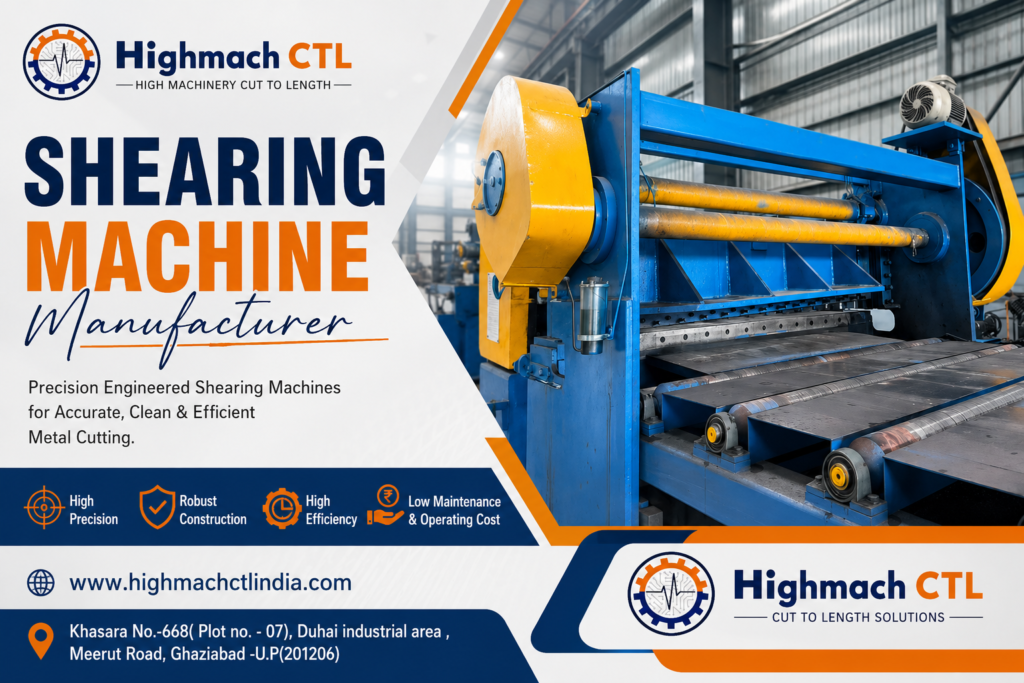
A shearing machine is used to cut sheet metal, plates, or coils into precise sizes without using heat — just controlled mechanical force. It sounds simple, but the quality of that cut depends heavily on how well the machine is engineered, calibrated, and built.
Here’s the part people often miss: two shearing machines can look almost identical on a spec sheet, yet perform completely differently on the factory floor. Why? Because the manufacturer behind it determines the blade quality, the frame rigidity, the control system reliability, and — most importantly — how well the machine holds its precision after months of daily use.
That’s why choosing a shearing machine manufacturer is really about choosing a long-term production partner, not just a piece of equipment.
Common Types of Shearing Machines
Before comparing manufacturers, it helps to know what you’re actually shopping for:
- Mechanical shearing machines – Fast, simple, ideal for high-volume straight cuts on thinner material.
- Hydraulic shearing machines – More common in modern setups; offer better control, smoother cuts, and handle thicker plates.
- CNC/NC shearing machines – Programmable, highly precise, and ideal for businesses that need repeat accuracy across large batches.
- Guillotine shearing machines – A straight-blade design popular for general-purpose metal cutting.
Quick Comparison: Shearing Machine Types
| Machine Type | Best For | Precision Level | Typical Investment |
| Mechanical | High-speed, thin sheet cutting | Moderate | Low–Medium |
| Hydraulic | Thicker plates, general fabrication | High | Medium |
| CNC/NC | Repeat precision, large batch orders | Very High | Medium–High |
| Guillotine | General-purpose straight cuts | Moderate–High | Low–Medium |
Note: Actual pricing and precision vary by manufacturer, machine size, and automation level.
Key Features to Look For in a Shearing Machine Manufacturer
Not all manufacturers are built the same. Some focus purely on price, others on precision engineering, and the best ones balance both. Here’s what separates a dependable shearing machine manufacturer from a risky one:
- Build quality of the frame – A rigid, well-welded frame reduces vibration and keeps cuts accurate over time.
- Blade material and hardness – Determines how long the blades stay sharp and how clean the cut edge looks.
- Control system reliability – Especially important for CNC models; a shaky control panel means shaky production.
- After-sales support – Spare parts availability and service response time matter more than people expect until something breaks.
- Customization options – Ability to adjust blade clearance, cutting length, and automation level based on your product line.
- Compliance and safety certifications – Machines should meet relevant industrial safety standards for your region.
Feature vs. Why It Matters
| Feature | Why It Matters |
| Frame Rigidity | Prevents flexing under load, which keeps every cut consistent |
| Blade Hardness | Longer blade life means fewer replacements and less downtime |
| Control System | Directly affects cutting accuracy and ease of operator training |
| After-Sales Support | Reduces production downtime when parts or service are needed |
Note: Prioritize manufacturers who can clearly explain each of these points, not just list them in a brochure.
Step-by-Step: How to Choose the Right Shearing Machine Manufacturer
Here’s a practical process you can follow, whether you’re buying your first machine or upgrading an aging one.
The Buying Process
| Step | What to Do |
| 1. Define your need | Identify material thickness, cutting length, and daily volume you need to handle |
| 2. Shortlist manufacturers | Look at experience, certifications, and client reviews or case studies |
| 3. Request specifications | Compare blade material, motor power, and control system across options |
| 4. Ask for a factory visit or demo | Seeing the machine run live tells you far more than any spec sheet |
| 5. Check warranty & support terms | Confirm response time, spare parts access, and training support |
| 6. Finalize and plan installation | Coordinate delivery, site setup, and operator training in advance |
Note: Skipping step 4 (the demo) is one of the most common — and costly — shortcuts buyers take.
Tips and Best Practices
- Match the machine to your actual workload — buying more automation than you need just adds cost and complexity.
- Ask about blade regrinding services — a manufacturer that supports this saves you money long-term.
- Get everything in writing — warranty terms, response times, and included accessories should never be verbal-only promises.
- Plan for operator training — even the best machine underperforms in untrained hands.
- Factor in floor space and power requirements before finalizing your model choice.
Common Mistakes to Avoid
Do’s and Don’ts When Choosing a Shearing Machine Manufacturer
| Do | Don’t |
| Compare total cost of ownership | Focus only on the upfront purchase price |
| Ask for real client references | Rely solely on marketing claims or catalog photos |
| Verify after-sales support terms | Assume support will “just be handled” later |
| Match specs to your actual material range | Overbuy capacity you’ll rarely use |
Note: Most buyer regret comes from skipping due diligence, not from choosing the “wrong” machine type.
Buying Guide Checklist
Quick Reference Checklist Before You Buy
| Checklist Item | Confirmed? |
| Material thickness & cutting length matched | ☐ |
| Manufacturer certifications reviewed | ☐ |
| Warranty & service terms in writing | ☐ |
| Factory visit or live demo done | ☐ |
| Operator training plan arranged | ☐ |
Note: Keep this checklist handy during vendor calls and site visits — it keeps the decision objective.
Why Highmach CTL?
At Highmach CTL, we’ve built our reputation on being the kind of shearing machine manufacturer that shows up long after the invoice is paid. We focus on rigid frame engineering, high-grade blade materials, and control systems that stay reliable shift after shift. But more than the machines themselves, we believe in being a partner you can actually call when something needs adjusting — not just a name on a nameplate.
Whether you’re setting up your first cutting line or upgrading an aging setup, our team works with you to match the right machine to your actual production needs, not just the biggest spec sheet.
Frequently Asked Questions
1. What’s the difference between a hydraulic and mechanical shearing machine?
Hydraulic machines use fluid pressure for smoother, more controlled cuts and handle thicker materials, while mechanical machines are faster but better suited to thinner sheets.
2. How do I know what cutting capacity I need?
Start with your most common material thickness and cutting length, then add a small buffer for future flexibility — avoid overbuying capacity you won’t use.
3. How often do shearing machine blades need replacing?
This depends on material hardness and usage volume, but a reliable manufacturer will offer regrinding services to extend blade life before full replacement is needed.
4. Is a CNC shearing machine worth the extra investment?
If your production involves repeat batches needing precise, consistent sizing, a CNC model often pays for itself through reduced material waste and faster changeovers.
5. What should I check before finalizing a manufacturer?
Confirm certifications, request a live demo, review warranty and after-sales terms in writing, and speak with existing clients if possible.
6. Can shearing machines be customized for specific industries?
Yes — many manufacturers, including Highmach CTL, offer adjustments in blade clearance, automation level, and cutting length based on the industry and material type.
Final Thoughts
Choosing the right shearing machine manufacturer isn’t about finding the flashiest brochure — it’s about finding a team that understands your production line, builds machines that hold precision over time, and actually answers the phone when you need support. Take the time to compare specs, ask for demos, and check the fine print on service terms. That upfront effort is what separates a smooth production run from months of frustrating downtime.
If you’re evaluating options for 2026, feel free to reach out to the Highmach CTL team — we’re happy to walk through your requirements and help you find a shearing solution that actually fits your shop floor, not just your budget.
Visit: https://highmachctlindia.com/
Call: +91-9811228235
Email: info@highmatchctl.com
Address: Khasara No.-668( Plot no. – 07), Duhai industrial area , Meerut Road, Ghaziabad -U.P(201206)