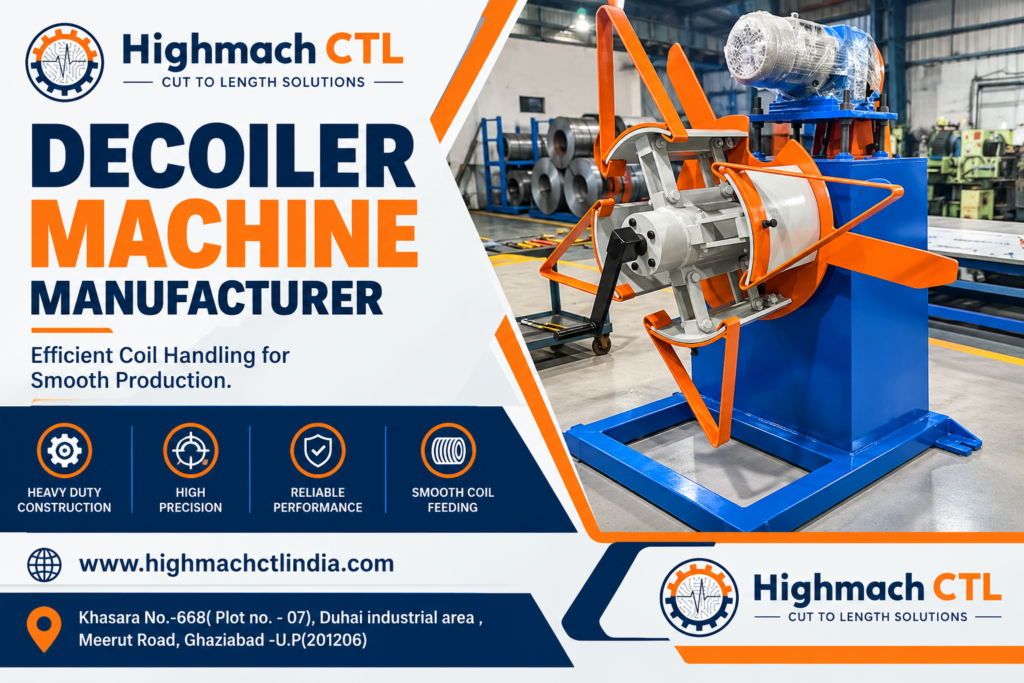
Decoiler Machine Manufacturer | Trusted Coil Processing Expert
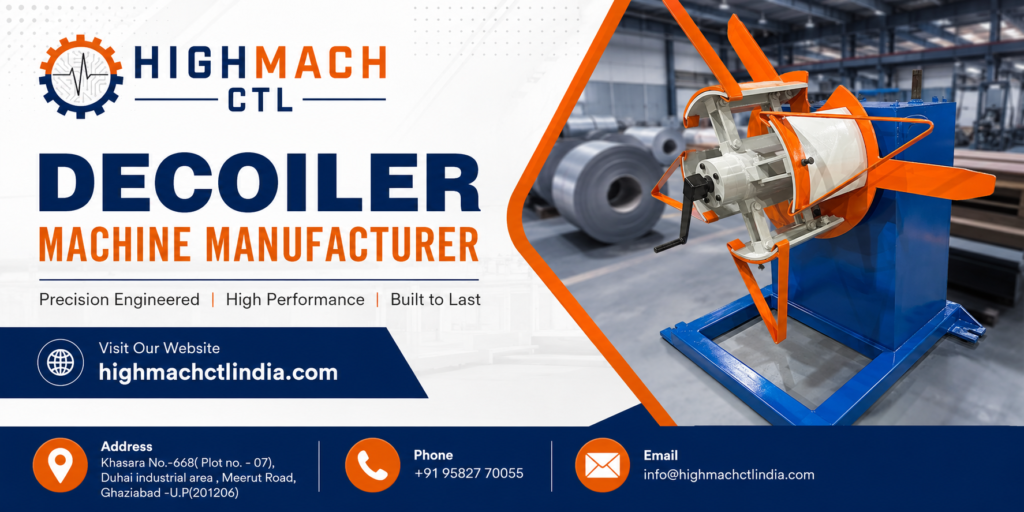
If your production line depends on a steady, controlled supply of coiled sheet or strip metal, the decoiler you choose has a direct impact on your output, safety, and downtime. A poorly matched or poorly built decoiler leads to uneven feeding, coil slippage, operator risk, and frequent line stoppages. Choosing the right decoiler machine — and the right Decoiler Machine Manufacturer — is one of the most practical decisions an industrial buyer can make when setting up or upgrading a coil-processing line. This guide walks through what a decoiler machine is, how it works, the types available, what to look for when buying one, and how to evaluate a manufacturer before you commit to a purchase. What is a Decoiler Machine? A decoiler machine is a piece of coil-processing equipment designed to mount a metal coil onto a mandrel or cradle and rotate it so that the material unwinds smoothly. It is typically positioned at the start of a production line, ahead of straightening, leveling, feeding, or forming stations. Decoilers are used wherever coiled material needs to be converted into flat sheet or strip form for further processing. Without a properly functioning decoiler, downstream equipment cannot receive material at a consistent rate, which affects part accuracy, cycle time, and overall line efficiency. How Does a Decoiler Machine Work? While designs vary by type and capacity, the general working principle of a decoiler machine follows a similar sequence: This sequence repeats until the coil is fully processed, at which point the machine is reloaded with a new coil. Key Components of a Decoiler Machine Most decoiler machines share a common set of core components, though construction details differ based on capacity and automation level: Types of Decoiler Machines Different production requirements call for different decoiler configurations. The main types include: Manual Decoiler Machine A manual decoiler machine is typically used for lighter coils and lower-volume operations. Coil loading, expansion, and braking may involve manual adjustment. These are cost-effective for smaller fabrication shops with lighter material requirements. Hydraulic Decoiler Machine A hydraulic decoiler machine uses hydraulic power for coil expansion and, in many cases, for lifting and loading. This type is well suited for heavier coils where manual expansion would be impractical or unsafe, and it’s commonly used in steel processing and sheet metal fabrication environments. Automatic Decoiler Machine An automatic decoiler machine integrates motorized rotation, tension control, and often coordinates directly with feeders and straighteners through a shared control system. These are used in higher-speed, higher-volume production lines where consistent, hands-off material feeding is essential. Motorized Decoiler Machine Motorized decoilers use a drive motor to actively rotate the coil rather than relying on the pull from downstream equipment alone. This helps maintain consistent tension and is especially useful for heavier or wider coils and higher-speed lines. The right type depends on coil weight, material thickness, production speed, and the level of automation already present in your line. Decoiler Type Best Suited For Typical Coil Weight Range Level of Automation Manual Decoiler Light-duty jobs, small fabrication shops Light coils Low Hydraulic Decoiler Heavier coils, frequent coil changes Medium to heavy coils Medium Automatic Decoiler High-speed, high-volume production lines Medium to heavy coils High Motorized Decoiler Wide or heavy coils needing active tension control Medium to heavy coils Medium to High Note: Exact capacity ranges vary by manufacturer and model; always confirm specifications against your actual coil parameters. Key Features to Consider When Choosing a Decoiler Machine Selecting a decoiler machine involves matching the equipment specifications to your actual production requirements. Important factors include: Feature Why It Matters Coil weight capacity Ensures the machine safely handles your heaviest coils, not just average ones Coil width range Confirms compatibility with your full range of material widths Coil inner diameter (ID) Determines whether the expansion mechanism fits your coil sizes Material thickness Affects mandrel design, braking, and hold-down requirements Expansion mechanism Hydraulic suits heavier coils; mechanical suits lighter loads Speed and control Matches decoiler output to your line’s production speed Machine construction Impacts long-term stability and dimensional accuracy Safety features Protects operators during loading, unwinding, and coil changeovers Automation and integration Determines compatibility with existing feeders and straighteners Customization Accommodates non-standard coil sizes or line configurations Benefits of Using a Quality Decoiler Machine A well-engineered decoiler machine contributes to smoother, more reliable coil processing in several practical ways: These benefits compound over time, particularly in operations running multiple shifts or handling varied coil specifications. Applications of Decoiler Machines Decoiler machines are used across a wide range of manufacturing sectors, including: How to Choose the Right Decoiler Machine Manufacturer The manufacturer you choose matters as much as the machine specification itself. Here’s what to evaluate: Taking time to evaluate these factors before purchase helps avoid costly mismatches between equipment capability and actual production needs. Evaluation Criteria What to Check Manufacturing experience Track record across varied coil weights, materials, and industries Machine construction Frame design, build quality, and sound mechanical engineering Customization capability Ability to adapt mandrel size, capacity, or controls to your needs Quality control Inspection processes during fabrication, assembly, and pre-dispatch Technical support Access to engineers for specification guidance and troubleshooting Installation and commissioning On-site support for setup, alignment, and commissioning Spare parts availability Ready access to spares to minimize downtime After-sales service Ongoing maintenance, repair, and troubleshooting support Line compatibility Smooth integration with existing feeders, straighteners, and presses Why Consider Highmach CTL for Decoiler Machine Solutions? Highmach CTL designs and manufactures coil-processing equipment, including decoiler machines, for industrial and sheet metal processing applications. As a manufacturer focused on coil handling equipment, Highmach CTL works with fabricators, processors, and manufacturers to specify machines suited to their coil weight, width, and production requirements. Buyers evaluating decoiler options can discuss their specific coil parameters — weight, width, inner diameter, material type, and desired automation level — to identify a configuration that fits their production line. Decoiler Machine: Maintenance and Safety Tips Routine maintenance and correct operating practices extend equipment life and reduce the risk of downtime
Decoiler Machine Manufacturer | Trusted Coil Processing Expert Read More »