Cut to Length Machine Manufacturer | Quality CTL Lines
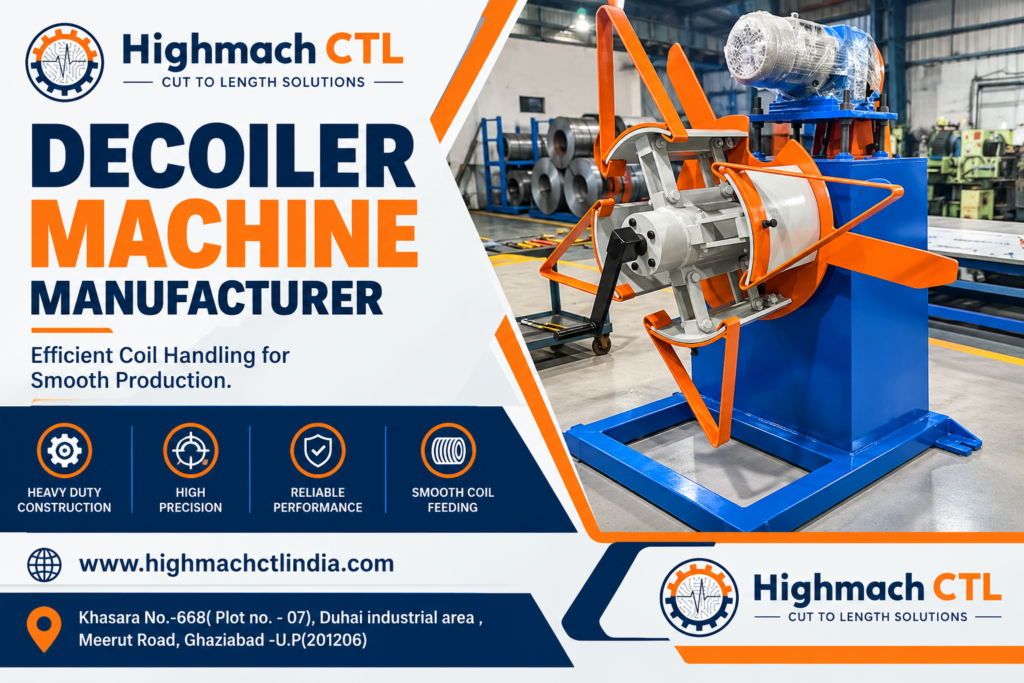
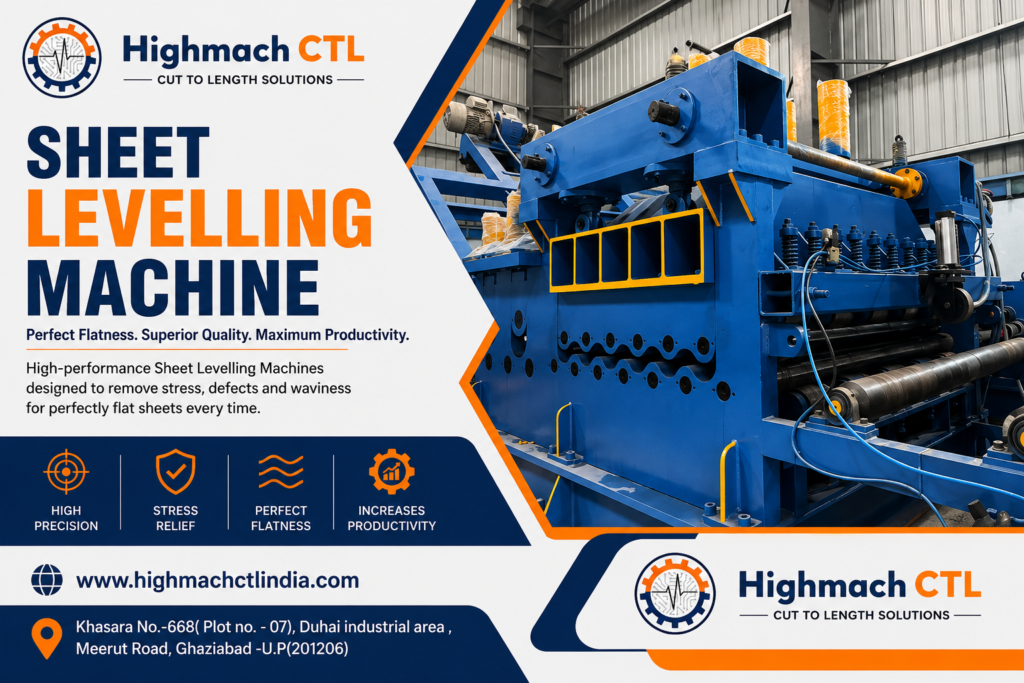
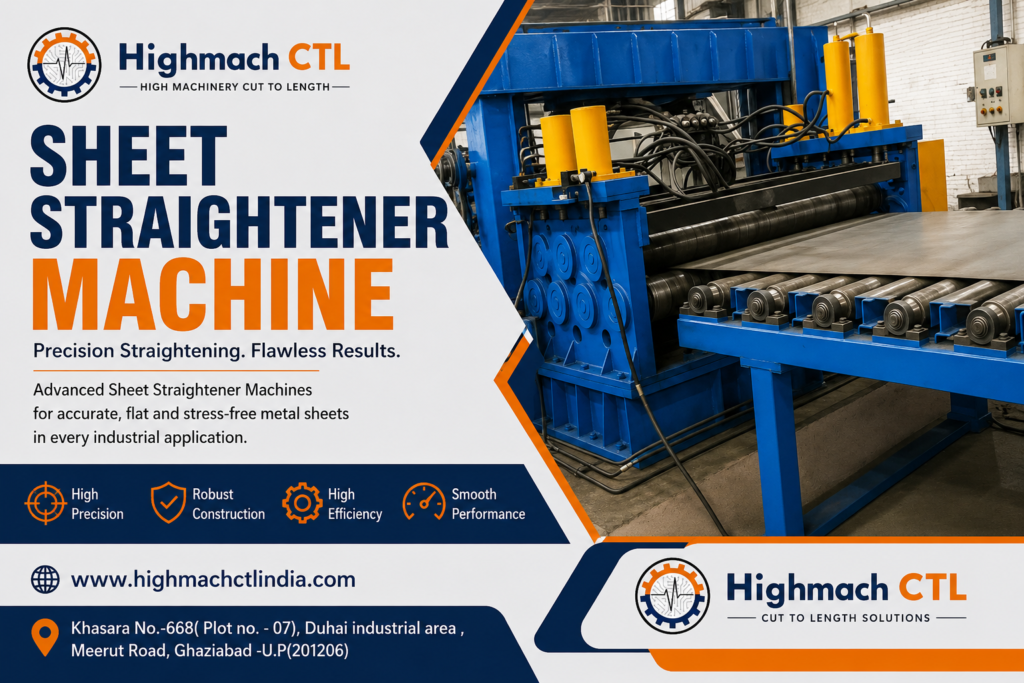
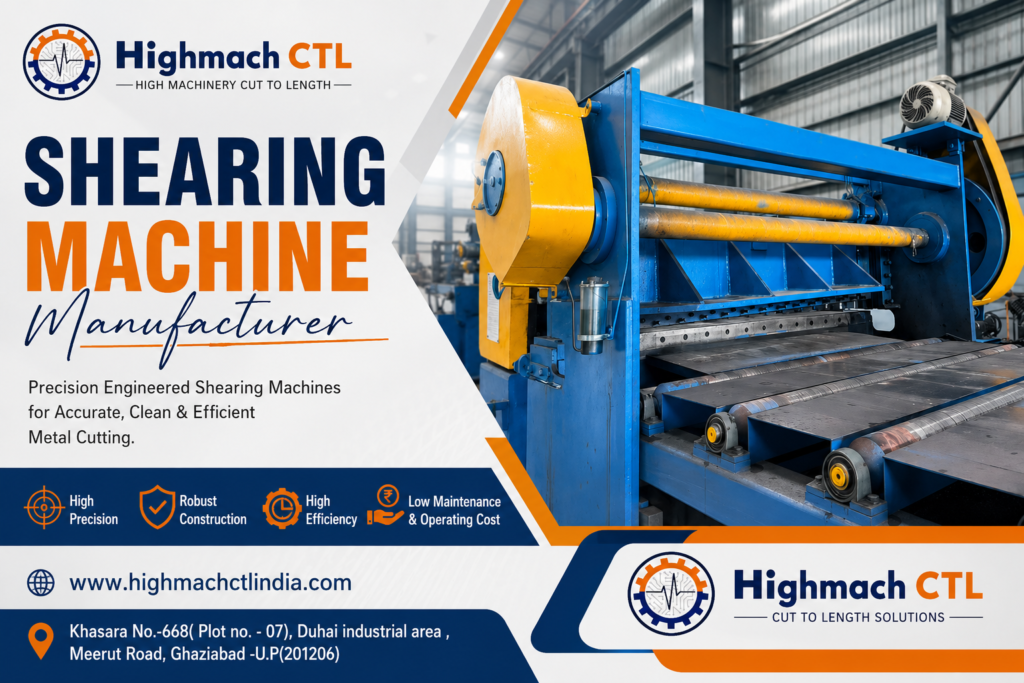
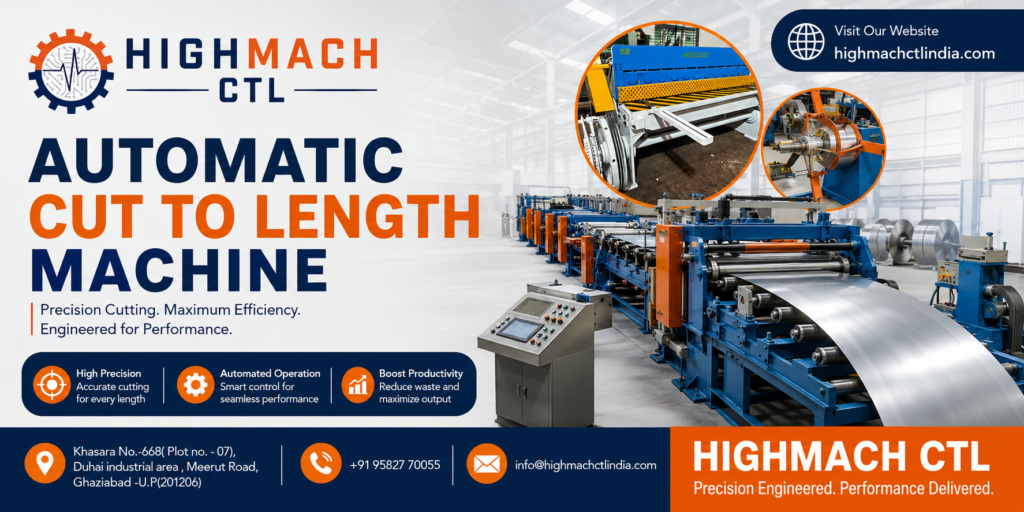
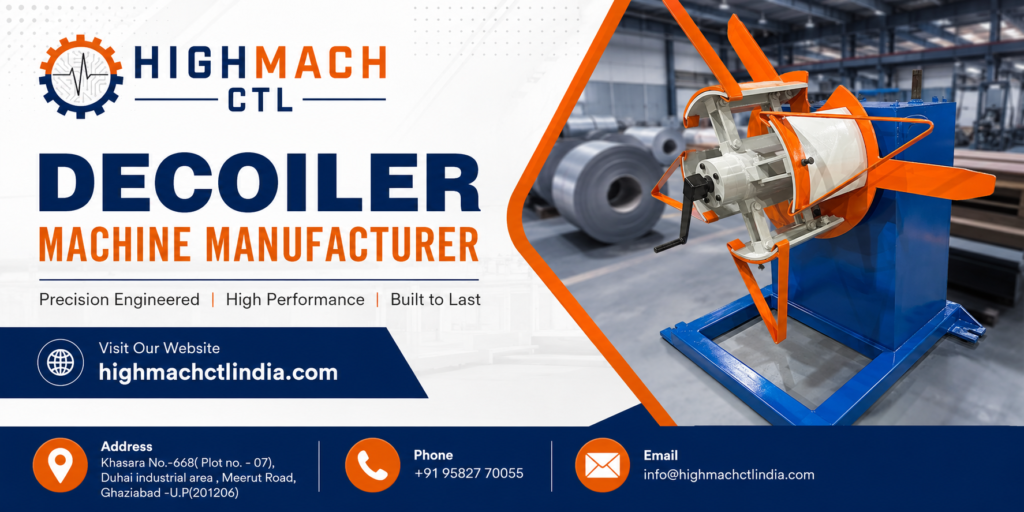
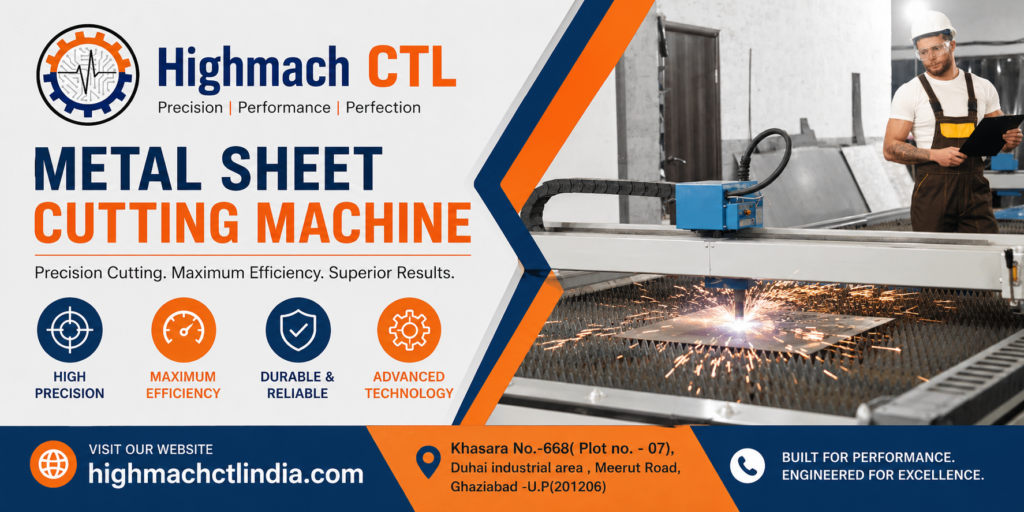
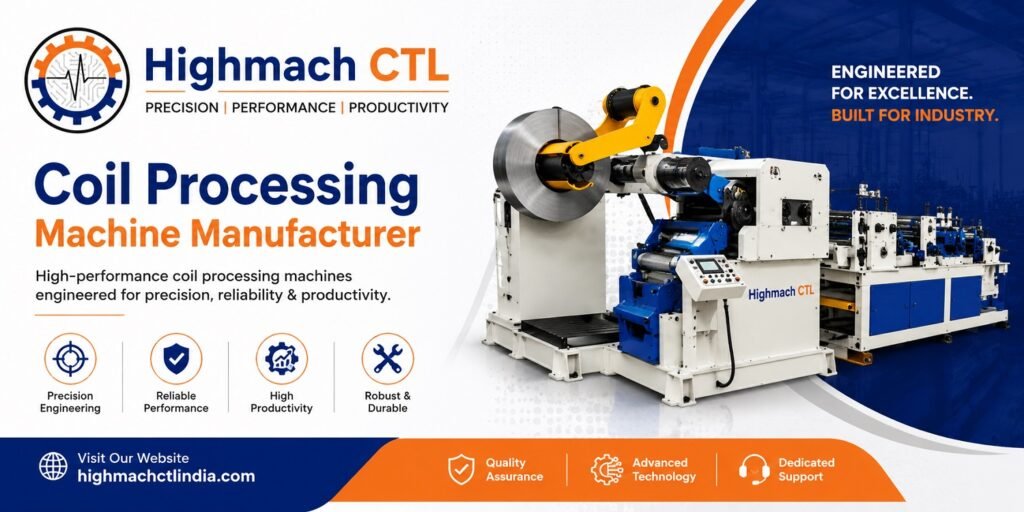
Choosing the right Cut to Length Machine Manufacturer directly affects how accurately, efficiently, and consistently you can convert steel coils into finished sheets. A well-engineered CTL line reduces material waste, improves cutting precision, and keeps production running with minimal downtime. This guide explains how Cut to Length machines work, what to look for in a manufacturer, and how Highmach CTL approaches CTL line design and manufacturing. Quick Answer: What Does a Cut to Length Machine Manufacturer Do? A Cut to Length Machine Manufacturer designs, builds, and supplies CTL lines that uncoil, straighten, measure, and shear metal coils into precise, flat sheets. These manufacturers engineer the decoiler, leveller, feeding system, shear, and stacking unit to work together, ensuring consistent sheet dimensions, minimal material waste, and reliable performance for industrial sheet metal processing. What Is a Cut to Length Machine? A Cut to Length machine is an industrial system that converts coiled metal—typically steel or stainless steel—into flat sheets of a specified length. Instead of manually unrolling and cutting coil stock, a CTL line automates the entire process from coil to finished sheet. Basic working principle: The coil is mounted on a decoiler, which unwinds it in a controlled manner. The strip then passes through a levelling unit that removes coil-set curvature and internal stresses, producing a flat sheet. A feeding system advances the material to a pre-set length, after which a shear cuts the sheet cleanly. The finished sheets are then conveyed and stacked for handling or further processing. Coil feeding and straightening: Precision levelling rolls flatten the strip before it reaches the cutting station. This step is critical—without proper straightening, sheets can bow, twist, or vary in flatness, which affects downstream fabrication. Measuring and cutting: Servo-driven feeding systems or measuring rolls track the exact length of material fed through the line, triggering the shear at precise intervals. This is what allows CTL lines to hold tight length tolerances across long production runs. Sheet stacking: Once sheared, sheets are transferred onto a stacking table, often equipped with alignment guides to keep stacks neat and ready for transport or the next manufacturing stage. Typical industrial applications: CTL lines are widely used wherever flat, accurately sized metal sheets are needed as raw material—automotive part fabrication, structural steel components, electrical enclosures, and general sheet metal manufacturing. Why Choose a Quality Cut to Length Machine Manufacturer? Not all CTL lines perform the same way over time. The build quality and engineering behind a machine determine how it performs under continuous production loads. Cutting accuracy: A well-calibrated shear and measuring system hold consistent length tolerances, which reduces scrap and rework further down the production line. Production efficiency: Properly synchronized decoiling, levelling, and shearing reduce cycle times and keep the line running at rated speed without frequent adjustments. Material utilization: Accurate length control and minimal trim loss mean more usable sheet from every coil, directly affecting raw material costs. Machine durability: Robust frame construction, quality bearings, and properly specified drive components determine how long a line performs reliably under industrial duty cycles. Automation: PLC-based controls and servo feeding reduce operator dependency, improve repeatability, and lower the chance of human error in length setting. Reduced downtime: Well-engineered lines require less frequent maintenance intervention and fewer unplanned stoppages, which keeps production schedules on track. Consistent sheet quality: Flatness, squareness, and edge condition all depend on how well the levelling and shearing stations are designed and maintained. How Does a CTL Line Work? A Cut to Length line processes coil into sheet through a sequence of coordinated stages: Each stage depends on the one before it, which is why synchronization between the decoiler, leveller, feed system, and shear is central to overall line performance. Key Features of Modern CTL Lines Modern CTL lines incorporate several features that improve accuracy, safety, and operational flexibility: Applications of Cut to Length Machines Cut to Length machines and CTL lines serve a wide range of industrial sectors that rely on flat, precisely sized sheet metal: How to Select the Right Cut to Length Machine Manufacturer Selecting a CTL line involves matching machine specifications to your actual production requirements. Consider the following factors before finalizing a manufacturer: A manufacturer who understands these variables and engineers the line accordingly is better positioned to deliver a CTL system that performs reliably over its service life. Why Highmach CTL for Cut to Length Machines? Highmach CTL designs and manufactures Cut to Length lines with attention to the engineering details that affect long-term performance—decoiler stability, levelling accuracy, feed synchronization, and shear precision. The approach centers on building CTL lines configured to the customer’s actual coil specifications and production targets, rather than offering a single fixed design for every application. Key aspects of Highmach CTL’s approach include: Benefits of Investing in a Modern CTL Line Upgrading to a properly configured CTL line delivers measurable operational improvements over manual or outdated cutting methods. Benefit Practical Impact Improved productivity Faster coil-to-sheet conversion with fewer manual steps Consistent sheet dimensions Reduced variation in length and flatness across production runs Reduced manual handling Lower labor dependency and reduced risk of handling errors Better material utilization Less trim loss and more usable sheet per coil Lower operational inefficiencies Fewer stoppages caused by misfeeds or measurement errors Improved production planning Predictable cycle times support better scheduling and delivery commitments These benefits compound over time, particularly in operations running multiple shifts or processing a wide range of coil specifications. Frequently Asked Questions What is the difference between a Cut to Length line and a slitting line? A Cut to Length line cuts coil into individual flat sheets of a specified length, while a slitting line cuts coil lengthwise into narrower coils. Some facilities use both processes depending on whether the end product needs to be sheet stock or narrower coil for further processing. What materials can a Cut to Length machine process? CTL lines commonly process carbon steel, stainless steel, and other coil-form metals within the thickness and width range the machine is designed for. The
Cut to Length Machine Manufacturer | Quality CTL Lines Read More »